When the Government Decided Artists Deserved to Eat
In 1935, saying "I'm an actor" often meant "I'm starving."
By the time Franklin D. Roosevelt took office in 1933, the entertainment industry had collapsed alongside everything else. Broadway saw half its theatres go dark. Vaudeville circuits – once the lifeblood of American entertainment – shut down completely. Film studios slashed payrolls. Thousands of trained actors, directors, designers, playwrights, and technicians found themselves unemployed with no prospects.
The Human Cost
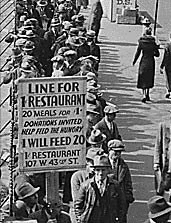
Pictured: Breadline in New York during the Great Depression.
The numbers tell part of the story: 25% unemployment nationwide. Nearly half of American banks failed, wiping out life savings. Industrial production fell 46%. Farmers lost their land to foreclosure while the Dust Bowl devastated the Midwest.
The psychological toll was immense. Families lost everything. Children went hungry. Men who had worked their entire lives rode the rails looking for any job. And artists – people whose work required audiences, venues, resources – had nowhere to turn.
An Unprecedented Idea
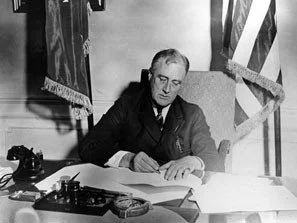
Pictured: On May 6, 1933, President Franklin D. Roosevelt signed an executive order creating the Works Progress Administration.
Then, Roosevelt did something unprecedented with his Works Progress Administration (WPA). The massive jobs program employed millions of Americans building roads, bridges, schools, and parks across the country. Public infrastructure. Tangible value. Work that critics could see and measure.
But Roosevelt went further. He included artists.
Federal Theatre Project Number One created jobs for theatre workers, visual artists, writers, and musicians. Critics called it wasteful. Supporters called it visionary. The question at its heart: Are artists workers too?
Harry Hopkins, FDR's advisor and architect of WPA relief programs, put it bluntly: "Hell, they've got to eat just like other people."
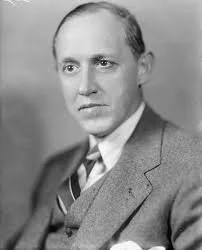
Pictured: Portrait by Harris & Ewing c. 1933–1940
Enter Hallie Flanagan
On August 27, 1935 – on her 45th birthday – Hallie Flanagan took the oath to lead the Federal Theatre Project. She was a theatre professor at Vassar College, hardly an obvious choice to run a massive federal program. But she had studied experimental theatre across Europe on a Guggenheim Fellowship; she had witnessed workers' theatre movements in Russia, Germany, and England; and she brought back ideas about what theatre could be: accessible, urgent, democratic.
Hopkins, her college friend, gave her the job with a warning: "No matter what you do, you will be wrong."
Hallie promised theatre that would be "free, mature, and uncensored." The government would eventually and promptly break all three promises (charging admission in some cities, infantilizing content, and censoring numerous productions). But for four years, the Federal Theatre Project would prove something extraordinary: that artists could create vital work while earning dignified wages, and that theatre could reach audiences who had never imagined it was for them.
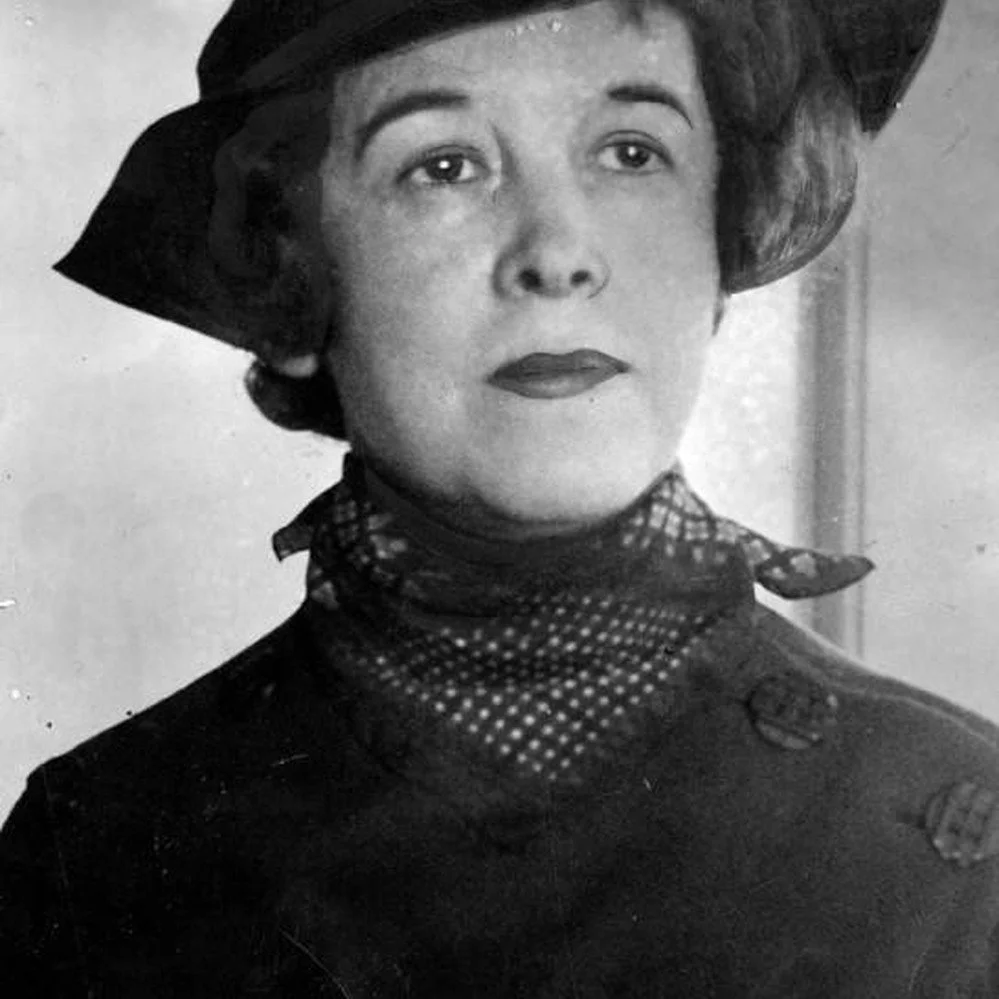
Pictured: Portrait of Hallie Flanagan, Director of the Federal Theatre Project. Photo dated: December 6, 1935.
What the FTP Became
The numbers are staggering:
Employed over 13,000 theatre professionals at its peak
Produced 63,600 performances
Reached more than 30 million audience members
Operated in 40 states with regional companies
Most tickets were free or cost less than 50 cents
The majority of audiences had never seen live professional theatre before
This wasn't charity. This was work. "Relief-eligible" meant proving you were destitute enough to qualify for government assistance – a humiliating process for professionals who had once been successful. But it meant employment. Dignity. Purpose. The chance to practice your craft instead of abandoning it.
The FTP created separate Negro Theatre Units that showcased Black artists with dignity and power. Orson Welles's Voodoo Macbeth in Harlem became legendary. Children's theatre brought performances to schools. Vaudeville units kept that dying art form alive. Multilingual productions served immigrant communities.
And then there was the Living Newspaper…but that's a story for another time.
Why This Story Matters Now
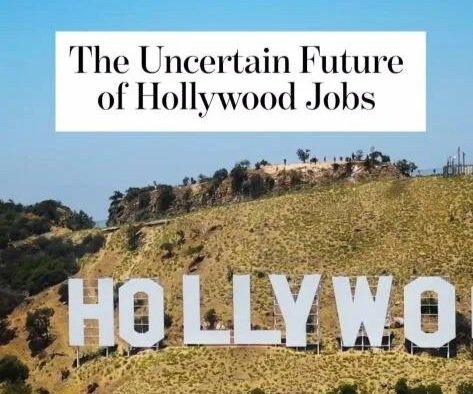
Pictured: The Hollywood sign and headline from The Los Angeles Times.
In 2026, we don't call it "relief-eligible." We call it the gig economy. On top of that, Hollywood and Broadway – the pillars of the American entertainment industry – now find themselves at the mercy of algorithmic rule and shareholder profit demand, often resulting in art and the artists that make it suddenly deleted, replaced or tampered – without permission. Mergers and acquisitions have left thousands of highly-skilled craftspeople without reliable income and having to pivot their skills into freelance gigs that train the same AI programs that will replace them.
The parallels between then and now are chilling. And the questions the FTP raised remain unanswered:
Is art essential work or a luxury?
Should public resources support artists?
What do we lose when we let creative infrastructure collapse?
Who gets to make art, and who gets to see it?
Stay connected as we bring this story to the stage. Follow our journey by subscribing to our newsletter, following us on Instagram, or supporting the work.