The Invention That Changed Documentary Theatre Forever
Imagine walking into a theatre in 1936. There's no playbill with a neat synopsis. No curtain speech explaining what you're about to see. You take your seat – probably for free, or maybe you paid a quarter – and the lights go down.
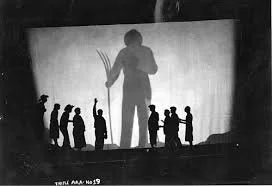
Suddenly: Projections flash across the stage. Headlines. Photographs. Government statistics made enormous. Voices shout from every direction. Actors embody data, become witnesses, and transform into the machinery of policy itself. You're watching the news become visceral, immediate, felt.
Welcome to the Living Newspaper. And in 1936, it was unlike anything American audiences had ever experienced.
When the Government Decided Artists Deserved to Eat
In 1935, saying "I'm an actor" often meant "I'm starving."
By the time Franklin D. Roosevelt took office in 1933, the entertainment industry had collapsed alongside everything else. Broadway saw half its theatres go dark. Vaudeville circuits shut down completely. Film studios slashed payrolls. Thousands of trained actors, directors, designers, playwrights, and technicians found themselves unemployed with no prospects.
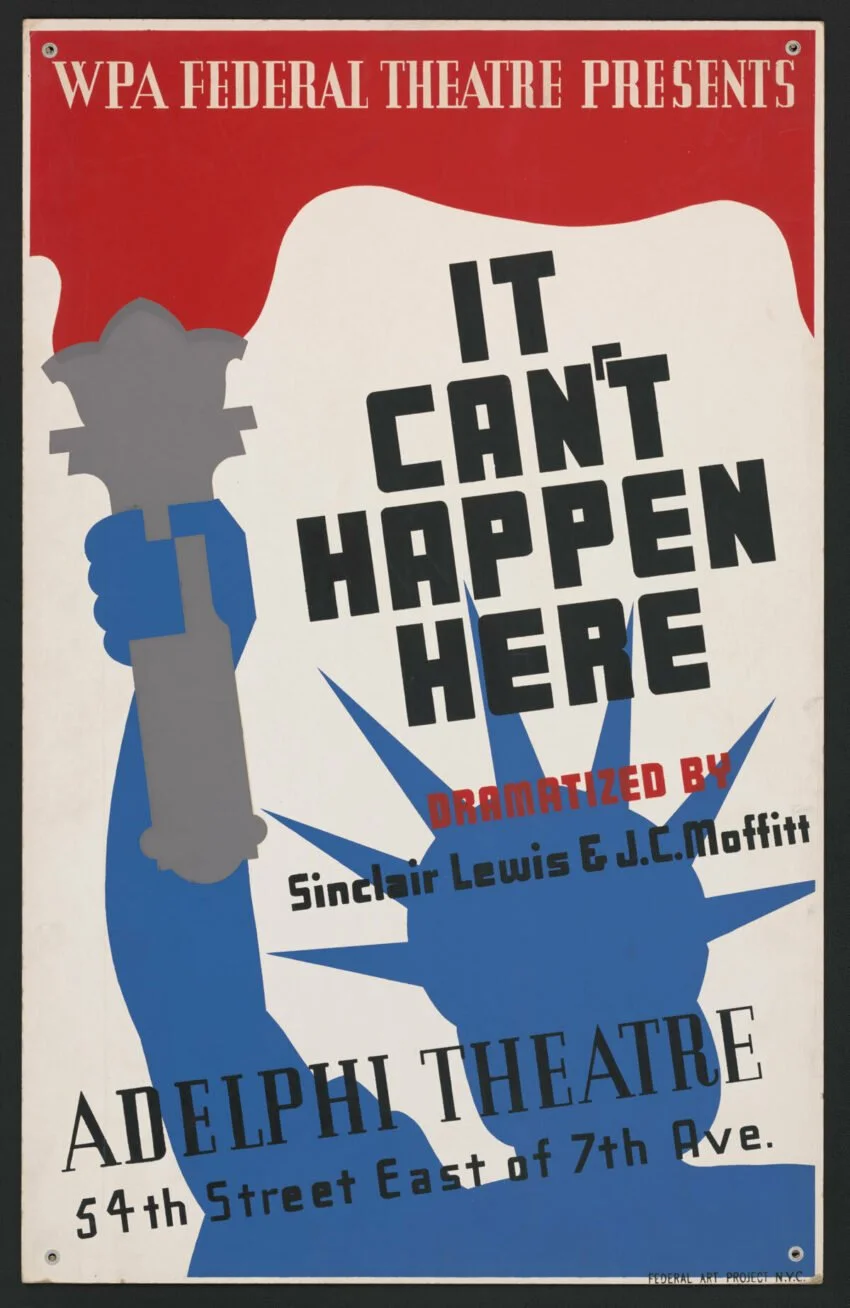
Then, Roosevelt did something unprecedented with his Works Progress Administration. The massive jobs program employed millions building roads, bridges, and schools across the country. But Roosevelt went further. He included artists.
Harry Hopkins, FDR's advisor and architect of WPA relief programs, put it bluntly: "Hell, they've got to eat just like other people."
What does it mean to create something “meaningful?”
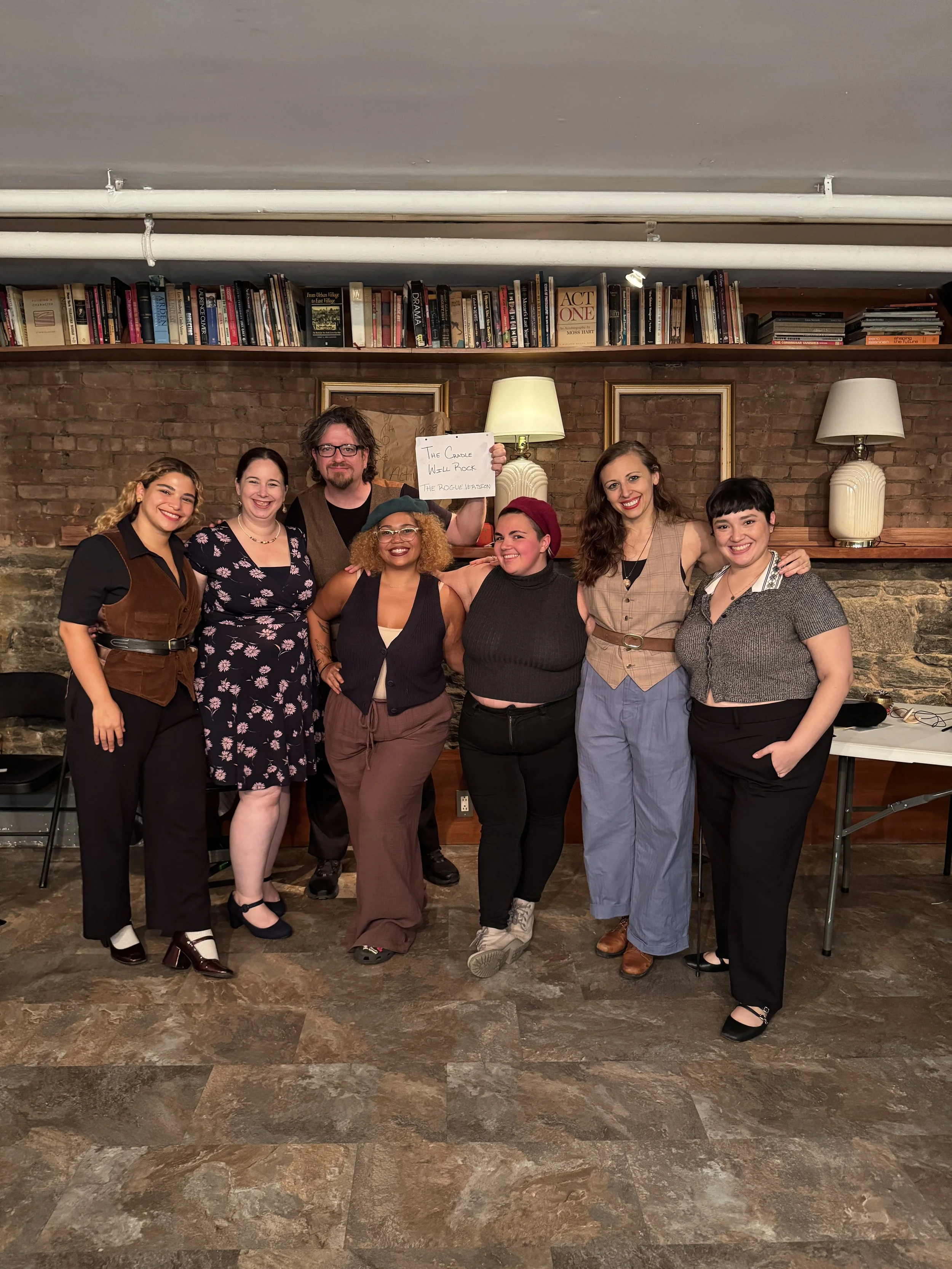
I was writing plays about women or women’s events from history. Then I discovered Hallie Flanagan, the Living Newspapers, and their mission and influence on this country. That discovery opened a portal—and sent me into many nights of joyful research.
Documentary Theatre. The forms vary - actors repeating transcripts word for word, one performer embodying every character, or an ensemble building whole communities on stage - but they share one thing: the power to break barriers. Between past and present. Between artist and audience.