The Invention That Changed Documentary Theatre Forever
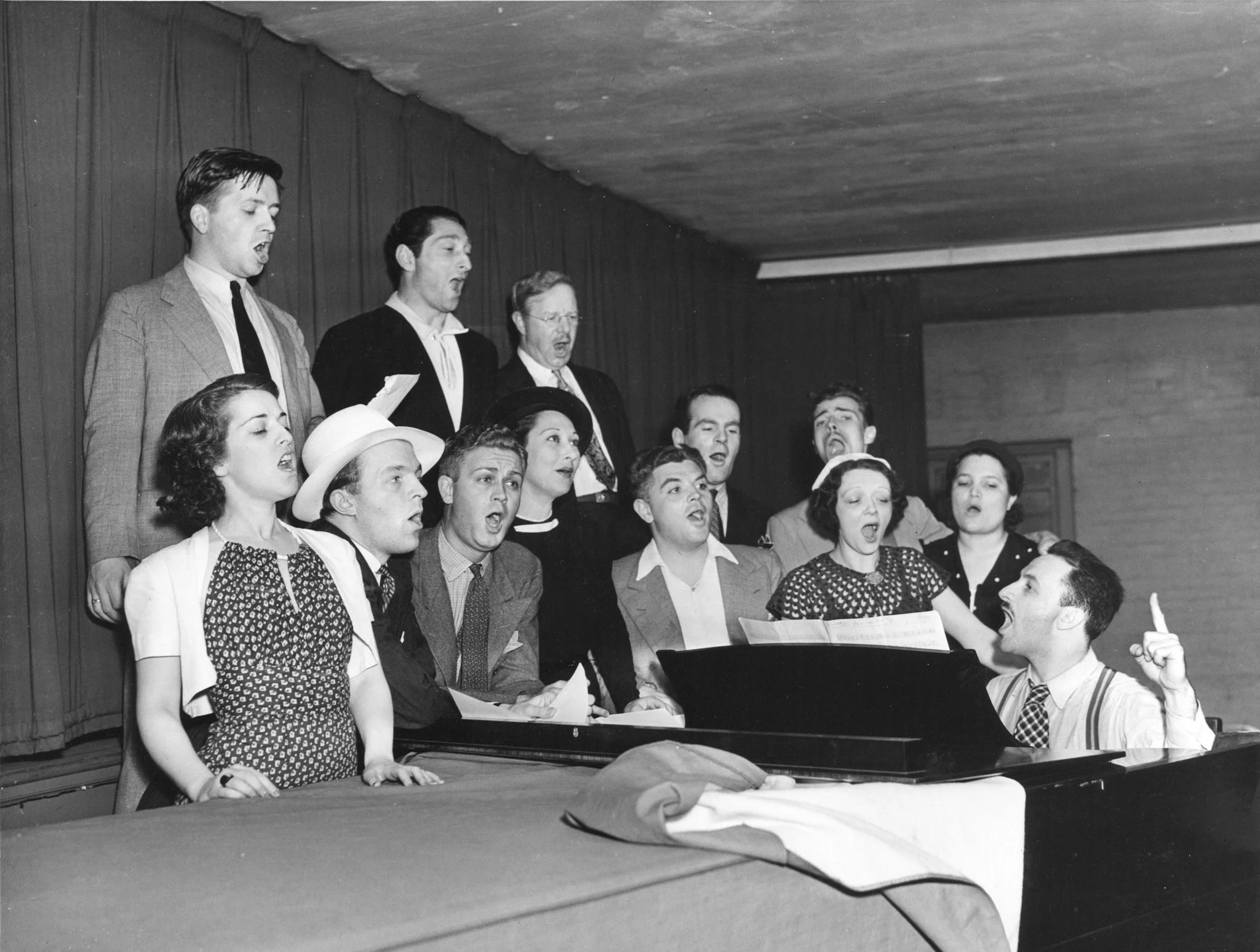
Imagine walking into a theatre in 1936. There's no playbill with a neat synopsis. No curtain speech explaining what you're about to see. You take your seat – probably for free, or maybe you paid a quarter – and the lights go down.
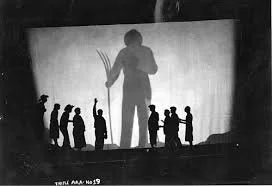
Suddenly: Projections flash across the stage. Headlines. Photographs. Government statistics made enormous. Voices shout from every direction. Actors embody data, become witnesses, and transform into the machinery of policy itself. You're watching the news become visceral, immediate, felt.
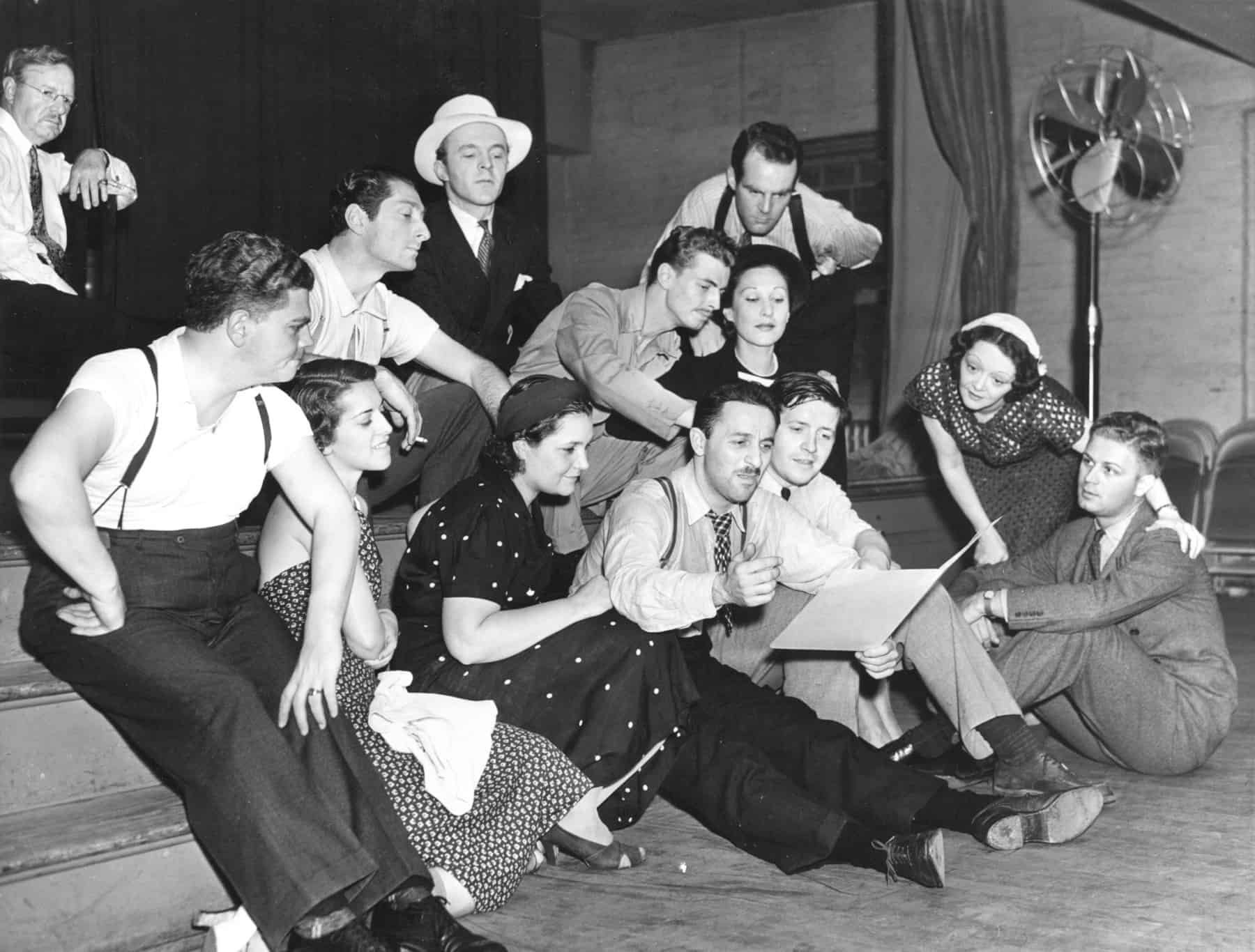
Welcome to the Living Newspaper. And in 1936, it was unlike anything American audiences had ever experienced.
Look Back in Hope
Right now, it’s easy to feel overwhelmed. The endless corruption, the fear for those we love, and the uncertainty of how to even begin to fight back—it can be paralyzing. The arts community, too, is weighed down by these same forces. But if there’s one thing history has shown us, it’s that those in power have always tried to control the work of artists. This is a fight as old as art itself. And though the current moment may be terrifying, the quote “history repeats itself” doesn’t always have to be a bad reminder. As a historian, sometimes looking back gives me the exact story I need to remind me that artists always find a way to resist.